
Cigars look simple at first glance. Rolled leaves. Packed filler. A clean wrapper. That’s just the surface. Behind the surface is a slow, detailed craft shaped by growers, fermenters, rollers, and aging rooms that demand time and patience. Nothing in cigar making is rushed. Nothing is accidental. Every leaf has a job and every step influences the one that follows.
If you’ve ever wondered what it takes to turn a tobacco seed into a cigar, this guide walks you through it with clear, simple steps.
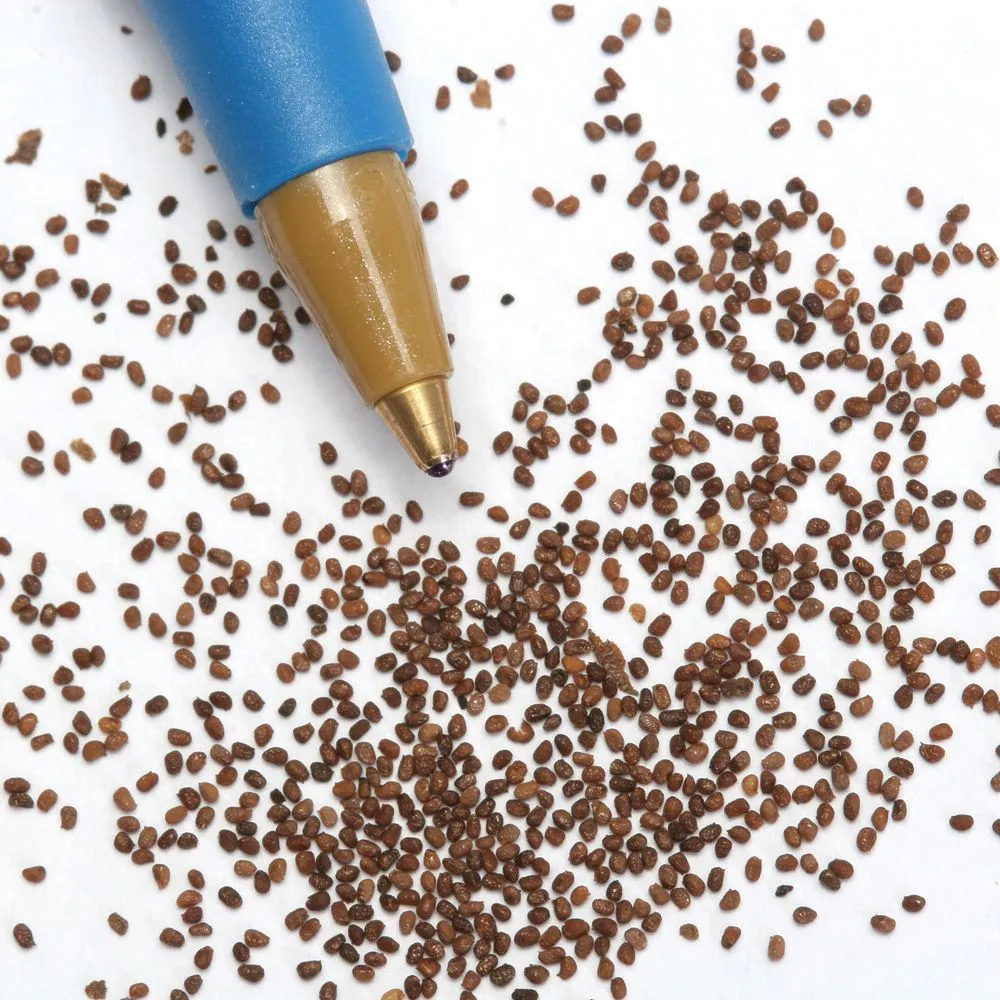
Tobacco Begins With Seeds
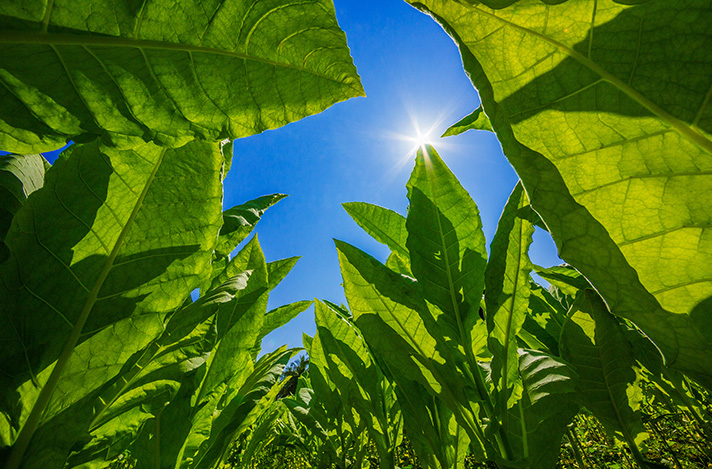
Cigar making starts with tobacco seeds that are about the size of poppy seeds, almost too small to hold. Farmers start tobacco plants in protected seedbeds until they are ready for the fields. Once transplanted, the plants grow tall and react to sun or shade in different ways. Sun-grown leaves develop more strength. Shade-grown leaves stay softer and milder.
Each part of a tobacco plant grows with a purpose. The bottom leaves are lighter. The middle leaves are balanced. The top leaves carry the most power. These differences matter because each section produces different types of cigar tobacco. If you want to understand how leaf choices influence finished cigars, start with the guide on different types of cigars.
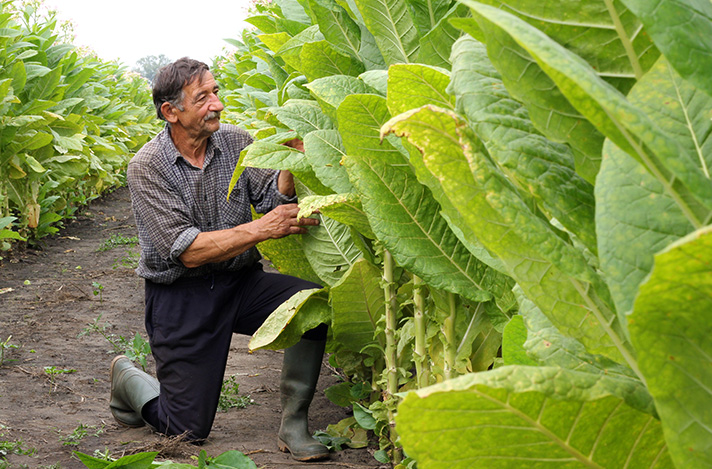
Harvesting Cigar Tobacco Is Done Slowly and By Hand
Tobacco is never harvested all at once. Workers pick the leaves in stages, starting at the bottom and moving upward as the plant matures. This keeps the quality consistent and lets the top leaves develop more strength.
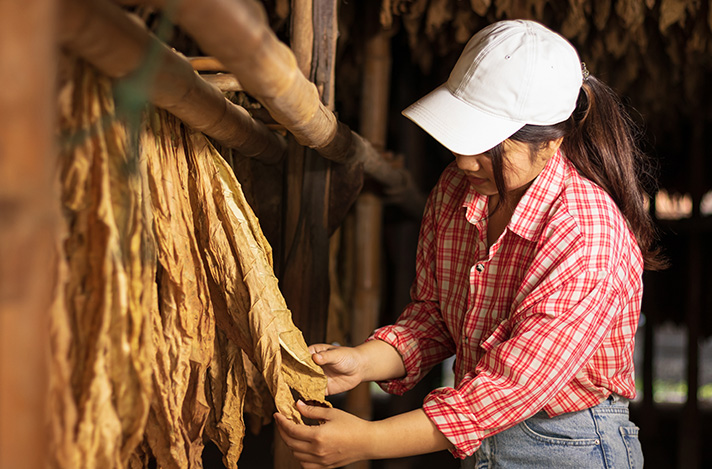
Once picked, the leaves move to curing barns. They hang in rows where they dry at a slow, controlled pace. The green color fades. The leaves soften. The moisture drops. Curing prepares the tobacco for the next stage, where the real transformation begins.
Fermentation Creates Flavor
After curing, tobacco leaves stack into large piles called pilónes. The leaves heat themselves naturally, which starts fermentation. This step removes sharpness and deepens the flavor. Workers monitor the temperature constantly. If it gets too hot, the tobacco can burn. If it stays too cool, the flavor will not develop.
Depending on the type of tobacco, fermentation can take a few weeks to several months. The patience pays off. This is where tobacco becomes smoother and more complex.
Fermentation creates heat, which causes fermentation to begin, changing the chemical structure of the tobacco, removing impurities such as ammonia and rendering the tobacco smokeable. – Cigar Aficionado
The Three Main Parts of a Cigar
Every cigar is built from three layers that work together.
1. Filler
The filler forms the core of the cigar. Long filler uses full leaves and burns in a slow, even line. Short filler uses smaller pieces and burns faster.
2. Binder
The binder wraps around the filler to hold it together. It provides structure and helps the cigar maintain its shape during rolling and aging.
3. Wrapper
The wrapper is the external leaf. Specific varieties of tobacco are used for the cigar wrapper. Structurally sound leaves are hand-selected—no blemishes, spots, or wrinkles. The wrapper must be smooth and visually clean. (You can indeed judge a cigar by its wrapper.) It also influences the flavor more than you might expect. If you want to understand how shapes affect the smoking experience, the guide on cigar shapes and sizes explains why form matters.
Highly skilled cigar rollers are called torcedores (male)/torcedoras (female). Because of their precision, dexterity, and light touch, women artisans dominate the rolling floor.
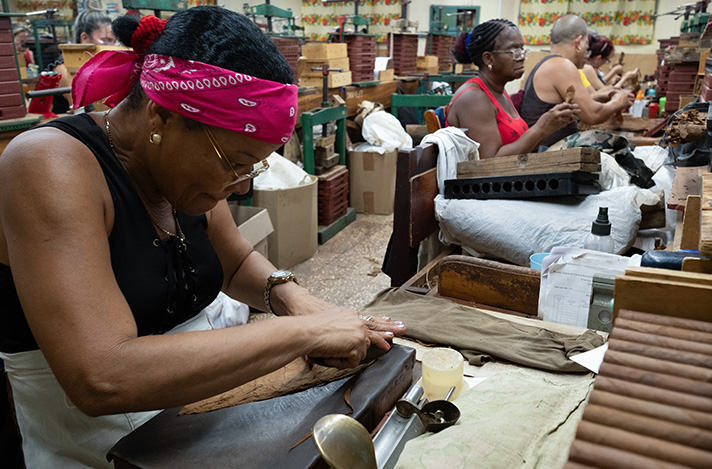
Rolling Brings the Cigar to Life
Rolling is the most recognized step in the process. Skilled rollers pack, bind, and wrap each cigar by hand. They decide how tight the filler should sit and how smooth the wrapper should stretch.A well-rolled cigar is consistently firm to the touch. When smoked, it delivers an easy draw of complex flavors. If a cigar cracks while cutting, dryness is usually the reason. A clean cut helps avoid problems. If you need a refresher, start with how to properly cut a cigar.

Aging Creates the Final Flavor
After rolling, cigars rest in aging rooms at controlled humidity and temperature. This step is critical. Aging blends the flavors, softens harsh notes, and improves the burn. Some cigars age for weeks. Others age for years.
Cigars can be ruined by poor storage while aging and beyond. Too much moisture causes mold. Too little causes cracking. This fluctuating humidity affects the character and flavor of the cigars.
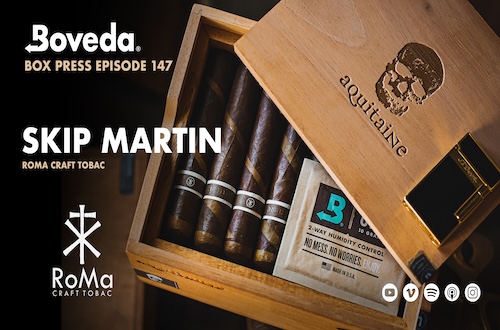
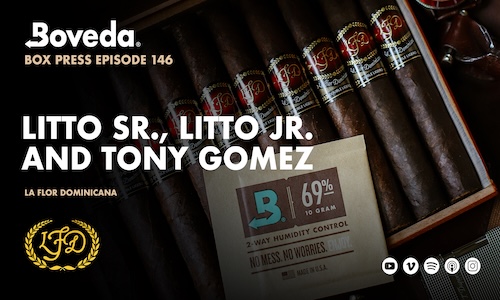
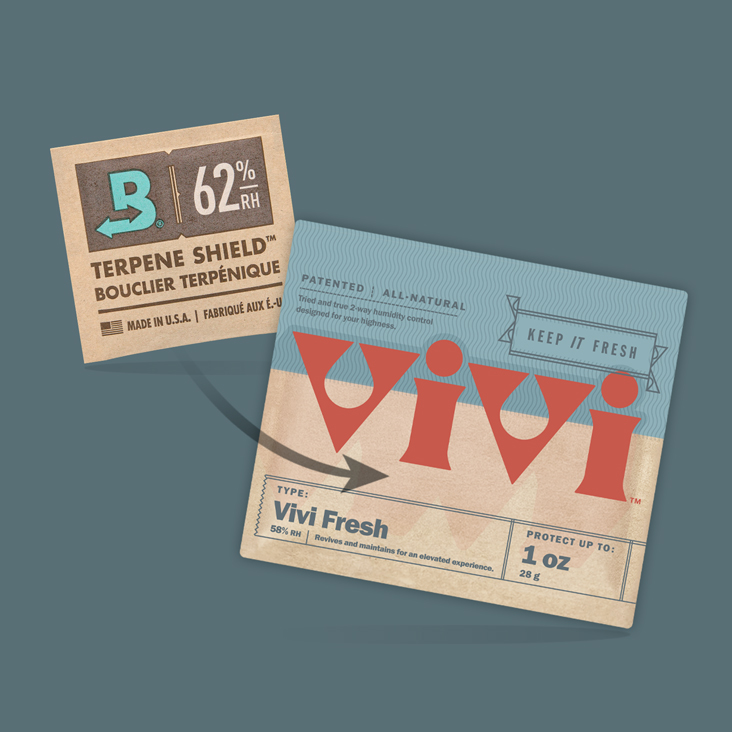
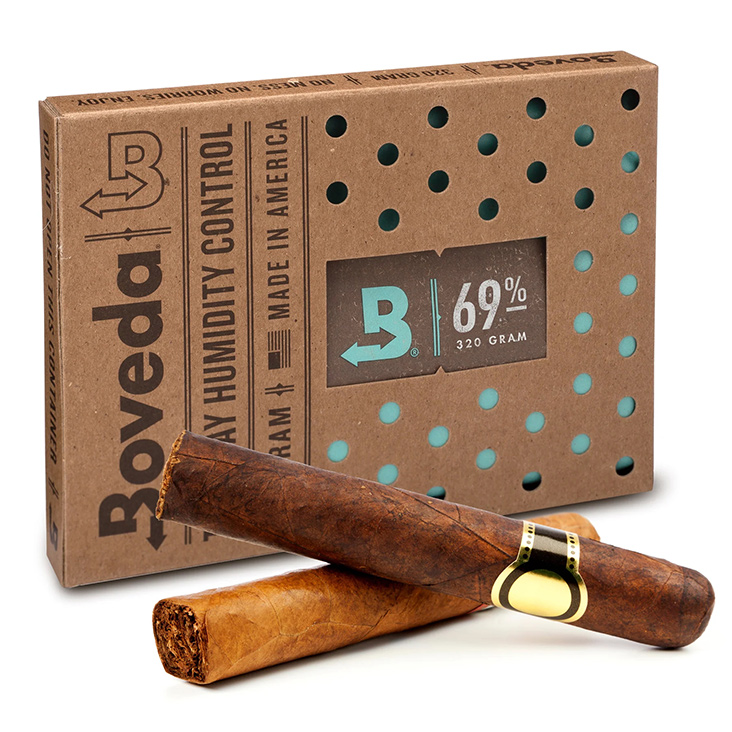
To maintain this ideal cigar humidity, cigar makers add Boveda to the box to protect the finished product during transport. After purchase, it’s up to you, the cigar smoker, to manage the humidity.
To protect the work that went into each cigar, explore Boveda for cigars for humidity control packs designed specifically for cigar storage. Boveda works automatically to maintain ideal humidity.
Works awesome. Been using these [Boveda] for years. Really helped keep my cigars fresh. – Leonard J.
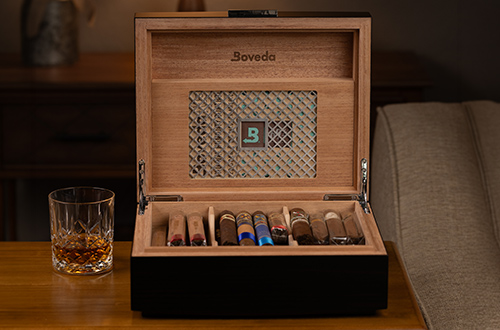
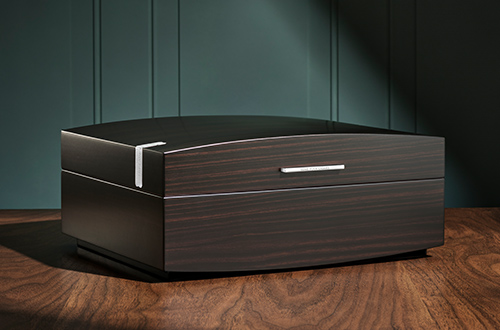
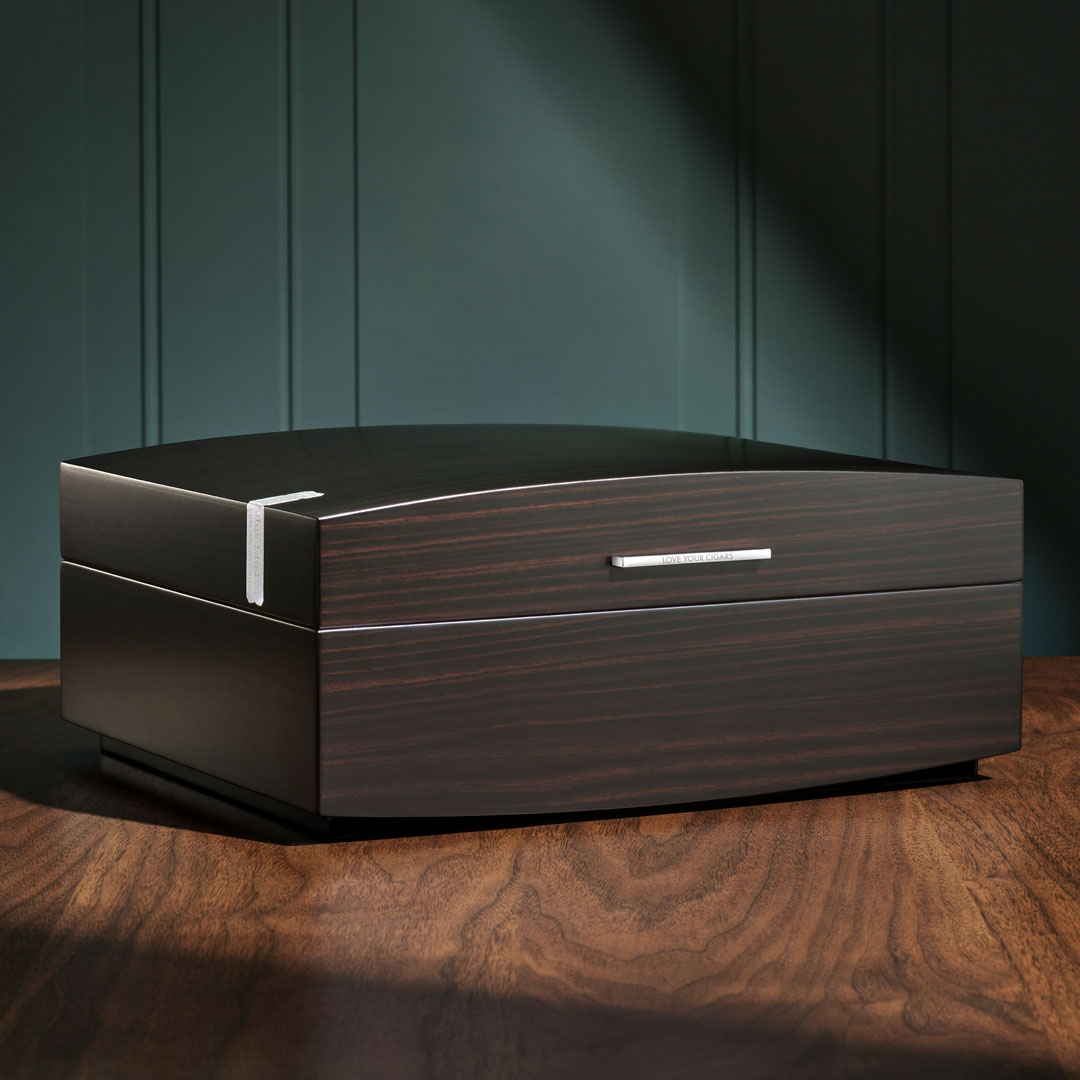
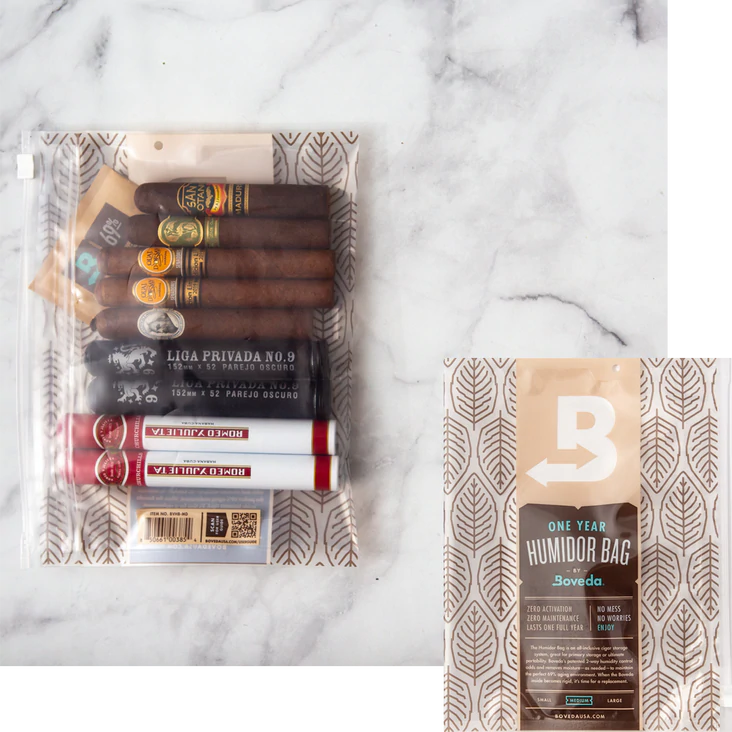
Where you store cigars also matters. If you are new to them, what is a cigar humidor and how does it work is a clear starting point. Many aficionados like the ease of use of Boveda Humidor Bags and the maintenance-free Boveda Humidor.
The Boveda Humidor is an Aging Vault for your premium Cigars
⭐⭐⭐⭐⭐ Awesome humidor. Simple and easy setup. Beautiful design. – Mario V.
The Boveda Humidor is a well-built, expertly constructed humidor that simplifies cigar storage. It’s the first wooden humidor designed to maximize Boveda’s patented 2-way humidity control. The Boveda Humidor eliminates the maintenance of traditional wooden construction. Its zero-lapse system rewards you with hands-off humidity control for cigars and a lifetime of perfect cigar storage.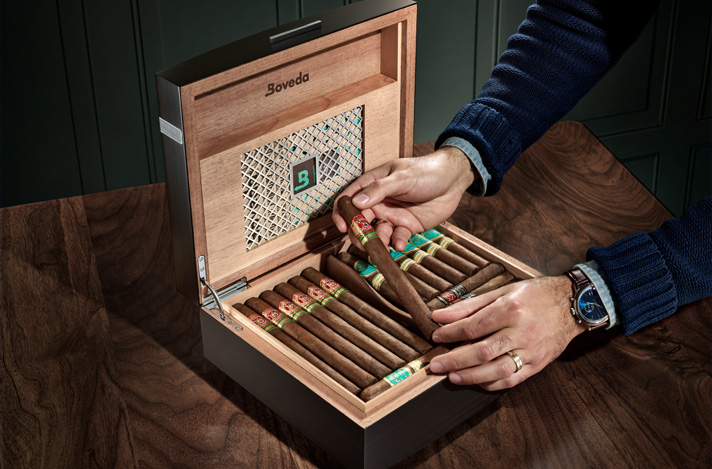 Shop for your Boveda Humidor here.
Final Thoughts
Cigar making is a multi-faceted art. It relies on farmers, fermenters, blenders, rollers, and aging rooms working together. Each step builds upon the next. When the process is respected, the result is a cigar that burns evenly with flavors that blend deliciously to recreate the experience designed by the cigar makers.
When you store, cut, light, and smoke your cigars with the same level of attention, you protect the years of work behind every leaf. And you get a better experience from start to finish.
TLDR: How Cigars Are Made
• Tobacco starts as tiny seeds grown into full plants with sun or shade shaping flavor.
• Leaves are harvested by hand from bottom to top to control strength and quality.
• Curing and fermentation develop the color, smoothness, and flavor profile.
• Sorted leaves become filler, binder, or wrapper depending on texture and appearance.
• Skilled rollers pack and wrap each cigar for an even draw and clean burn.
• Aging rooms refine flavor and remove harsh notes.
• Proper humidity storage protects cigars.
• Cigar brands box and ship cigars with Boveda to maintain ideal humidity in packaging.
• After purchase, keeping cigars well-humidified produces the most enjoyable smoking experience.
• Cigar smokers use Boveda packs to automatically maintain the ideal relative humidity (RH), which protects cigars from humidity damage, such as mold growth or dry cigars.
Boveda is How a Cigar’s Flavor is Preserved


NO TOBACCO PRODUCTS ARE SOLD OR INCLUDED WITH ANY PURCHASE.